

Welcome to our Winter Newsletter!
In this newsletter we look at: Our practice Festive Opening Hours, Holiday Hazards to watch out for, Small Furries Winter Wellness and much more!
Festive Opening Hours
As the festive season approaches, all of us at Ribble Vets want to take a moment to thank you for trusting us to care for your pets. Your confidence in us means so much, and we remain dedicated to supporting the health and happiness of your furry family members!
Should you need our services during the festive season, please see our opening hours below and our emergency cover.
Penwortham Surgery
Wednesday 24th December – 9am – 4pm
Thursday 25th and Friday 26th December – Emergencies Only
Saturday 27th December – 9am – 12:30pm
Sunday 28th December – Emergencies Only
Monday 29th and Tuesday 30th December – 9am – 7pm
Wednesday 31st December – 9am – 4pm
Thursday 1st January – Emergencies Only
Friday 2nd January – 9am – 7pm
Saturday 3rd January – 9am – 12:30pm
Sunday 4th January – Emergencies Only
Wesham
Wednesday 24th – Friday 26th December – Closed
Saturday 27th December – 9am – 10:30pm
Sunday 28th December – Closed
Monday 29th and Tuesday 30th December – 9:30am – 1pm 4pm – 6pm
Wednesday 31st December – Friday 2nd January – Closed
Saturday 3rd January – 9am – 10:30am
Sunday 4th January – Closed
Leyland
Wednesday 24th December – 2pm – 4pm
Thursday 25th – Sunday 28th December – Closed
Monday 29th December – 4pm – 6pm
Tuesday 30th December – Closed
Wednesday 31st December – 2pm – 4pm
Thursday 1st January – Closed
Friday 2nd January – 4pm – 6pm
Saturday 3rd and Sunday 4th January – Closed

Holiday Hazards
Although the festive season can be full of delights for us, it is a time when lots of unusual and potentially dangerous items are brought into our homes. Making it very tempting for
our furry friends to get up to mischief.
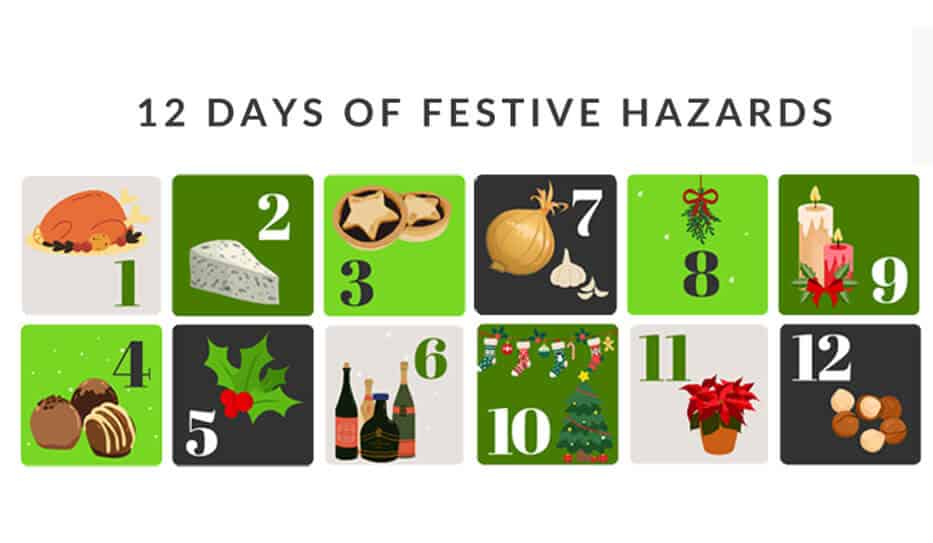
Read our 12 Days of Festive Hazards guide below to know which hazards to watch out for.
1 – Cooked bones
Avoid giving your dog any bones! Cooked bones are more brittle and likely to splinter causing obstruction and possible perforation of stomach and/or intestinal tract. Dispose of leftovers in pet proof bins.
2 – Blue cheese
This smelly snack contains a fungus which dogs are sensitive to and can cause stomach upset, tremors and even seizures. If it’s on your cheese board – keep it out of reach of furry paws.
3 – Mince pies and Christmas pudding
These sweet treats contain fruits such as grapes, sultanas and raisins which are toxic to pets, especially in the dried form. Even a small amount can lead to kidney problems.
4 – Chocolate
Don’t leave your tasty sweets in reach of pets, just a small amount can cause them to feel unwell. Although it makes for fun decorations, avoid hanging chocolates on the tree in reach of pets.
5, 8 and 11 – Festive flowers
Many of us tend to decorate our homes with festive greenery. Poinsettia, mistletoe and ivy are mildly toxic to pets. Signs of ingestion can include diarrhoea, vomiting and excess salivation.
6 – Alcohol
The effects are not too different to those in humans when drunk in excess…However, our pets are much more sensitive and ingestion in severe cases can lead to a coma. Ensure any spillages are cleaned up straight away.
7 – Onions and garlic
Raw or cooked, these veggies can cause stomach upset resulting in vomiting and diarrhoea initially. Following ingestion it’s important to monitor your pet as red blood cell damage can occur leading to anaemia.
9 – Candles
Candles can be a fire hazard to pets, who may knock them over, burn themselves, or
chew on the wax. Place real candles on high shelves or in secure areas where pets
cannot reach them. Some scented candles also contain toxic ingredients, so use petfriendly scents.
10 – Decorations
Christmas lights can attract our pet’s attention and if chewed could cause an electric shock. Sparkly baubles look like great toys for your pet to play with, however could cause
an obstruction if swallowed. Ensure fallen pine needles are vacuumed up daily as they
can irritate the paws of an inquisitive pet. Sharp needles can cause mild tummy upset or
trauma if swallowed.
12 – Macadamia nuts
Tasty for us but toxic to our pets. Can cause stiffness, tremors and vomiting. Keep out of reach of pets, especially the chocolate coated ones…double danger!
If you are worried that your pet has eaten or come into contact with any of these hazards, please seek professional veterinary advice straight away.

Small Furries Winter Wellness
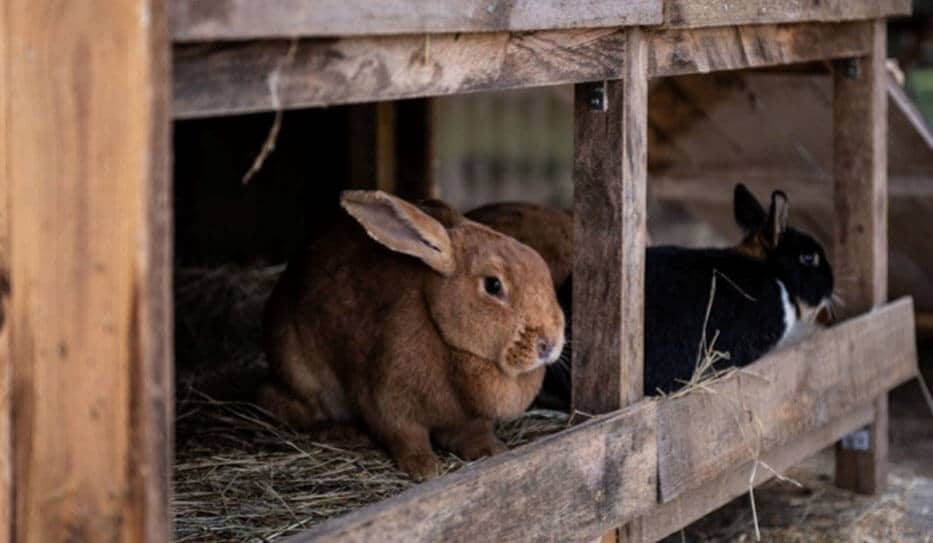
Outdoor small furries rely on their owners to keep them happy and comfortable. During winter their hutches are at risk of dampness and draughts, which can be fatal during the colder months.
Below are some top tips to keep your small furries happy during the winter season.
- Wrap water bottles with bubble wrap for insulation to stop the water freezing, ensuring your pet can stay hydrated.
- Place waterproof tarpaulin and old blankets over the hutch for extra insulation and for protection again wind and rain.
- Ensure bedding is kept dry and is deep enough to keep them warm.
- Keep hutches in a sheltered area and, if it doesn’t have legs, use bricks to raise it off the ground to help ventilation and stop water soaking up into the hutch.
Senior Pet Awareness

While it may be difficult to think about our pets getting older, keeping up with their health care and looking for early signs of problems is one of the best ways you can help.
Physical signs of aging in pets may include the following:
- Cloudy eyes or worsening vision.
- Bad breath, which can indicate dental problems.
- Slowing down or decreased mobility.
- Bumps on or under the skin, that should get checked out by ourselves.
- Weight loss or gain.
- Urinating more than normal and loss of house training.
With the right support, senior pets can enjoy their golden years happily and safely.
If you are concerned that your pet may be showing any signs or symptoms mentioned above, then please contact us to discuss a health check. We will also be able to advise on treatments or supplements that can help.

Antibiotic Amnesty Awareness
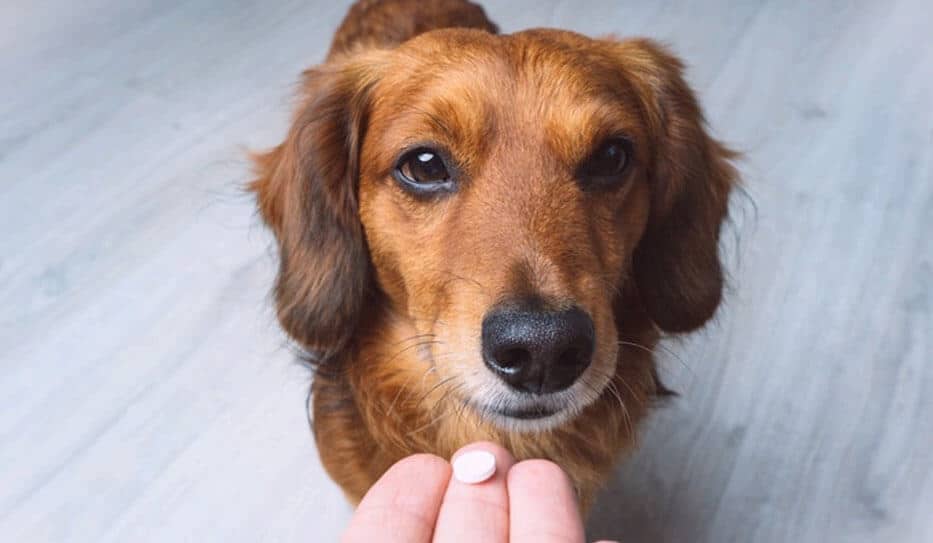
The aim of Antibiotic Amnesty Awareness is to encourage clients to return any unused
or out of date antibiotics. This will allow the correct disposal of the antibiotic
medications, which will avoid contamination of the environment and help prevent
antimicrobial resistance.
How to get involved?
Simply bring any unused or expired pet antibiotics into the practice to be disposed of correctly.
Thank you for reading our newsletter.
From all of us at Ribble Vets, we wish you a joyful and safe holiday season and a
healthy, happy New Year!
Best wishes,
The team at Ribble Vets


